
Florida Homes Mortgage
Florida's Trusted Mortgage Experts
Learn what fees to expect when closing on your home loan — from origination to title insurance.
When buying a home, it's important to be ready to pay closing costs in addition to your down payment. How much you'll pay in closing costs depends on how much you're borrowing, the location of your new home, and the type of mortgage you're using to buy it. They include origination fees and discount points paid to your lender, insurance and tax payments, and the cost of legally transferring ownership of the property.
They typically range from 3% – 6% of your loan amount. Depending on your home's value and how much you borrow, that can be a significant amount, so it's important to be prepared to pay closing costs.
Closing costs are fees required to fund your mortgage and to transfer legal ownership of the home from the seller to the buyer. Closing costs typically include origination fees, home inspection and appraisal fees, title search and insurance fees, and recording fees.
The exact closing costs you'll pay depend on your mortgage type and your location.
Buyers typically pay more in selling costs than sellers. Sellers usually pay the commissions earned by both the buyer's and the seller's real estate agents in the transaction, typically about 6% of the purchase price.
For buyers, closing costs typically range from 3% – 6% of the loan amount. For example, if you take out a mortgage for $200,000, you can expect your closing costs will be between $6,000 and $12,000.
Closing costs are paid in addition to your down payment.
It's possible to save money on closing costs by asking your lender to waive or reduce some fees. The buyer can shop for some of the services required to close, such as title search and title insurance, allowing you to find the lowest available price.
Buyers also can ask the seller to pay some of their closing costs. However, there are limits on seller concessions, and your chances of success depend on whether you're in a buyer's or seller's market.
Because closing costs are significant, it's important to budget for them. Estimating closing costs with accuracy, however, is difficult because there are a lot of variables.
Rocket Mortgage provides an easy-to-use down payment and closing costs calculator. To use the calculator, fill out the fields on the left and select the appropriate down payment percentage on the right. The calculator will tell you how much you can expect to need up front to buy a home.
Mortgage prequalification is an easy way to provide financial information and get an estimate of how much you may be able to borrow to buy a home, with no effect on your credit score.
When you're ready to start shopping for a home, apply for mortgage preapproval. Your lender will review your finances and provide a letter estimating how much you can borrow. A preapproval letter shows agents and sellers you're ready to buy.
How much you'll pay in closing costs will depend on several factors, including the location of the home, which lender you're working with, how much you're borrowing, and what type of loan you're using.
When you apply for a mortgage, your lender will provide within 3 business days a Loan Estimate. This standardized document will list all your estimated closing costs.
At least 3 business days before you close, your lender will send you a Closing Disclosure that again lists all your closing costs you need to cover and how much you owe. This estimate often is the final amount you need to pay, though some costs may fluctuate a bit before you finally close.
This fee varies by lender but can be as high as $500. The application fee may be a separate fee or a deposit applied to other closing costs.
Your lender will order a home appraisal to determine the home's value. Lenders won't let you borrow more than a home is worth. Appraisal fees usually range from $300 – $600.
In some states, a real estate attorney is required to close a sale. The attorney's fee typically covers the cost of coordinating the closing and drawing up paperwork for the title transfer. Fees vary by location.
Your closing fee goes to the escrow company or attorney who conducts the closing. In some states, an attorney must sign off on every mortgage closing. This cost varies by state or county and whether an attorney is needed.
The courier fee covers the cost of transporting mortgage documents. Expect to pay around $30 in courier fees, if your lender charges them.
The credit reporting fee covers the cost of pulling your credit report and credit score. Most credit reporting fees range between $10 and $100.
You can reduce your loan's mortgage rate by buying mortgage discount points. One discount point usually costs 1% of your loan amount and reduces your interest rate by 0.25%.
Sometimes referred to as reserve fees or prepaids, escrow funds are advance payments for property taxes, homeowners insurance premiums, and mortgage insurance.
With an FHA loan, you pay an up-front and an annual mortgage insurance premium (MIP). The up-front MIP rate for an FHA loan is currently 1.75% of your base loan amount.
If you're buying a house in a flood zone, you'll need to pay $15 – $25 for a flood certification from the Federal Emergency Management Agency.
If your property is part of a homeowners association, the transfer fee covers the cost of moving the HOA fees from the seller to the buyer. The amount you'll pay depends on the HOA's policies.
Most mortgage lenders require you to have homeowners insurance as a condition of the loan. Many lenders require you to pay for a year's worth of homeowners insurance at closing. Expect to pay about $50 per month for every $100,000 in home value.
If you're buying a home built before 1978, it might have lead-based paint, which poses a significant health risk. Expect to pay around $300 for a lead-based paint inspection.
Lender's title insurance reimburses the lender for its losses if you lose your home to a title claim. Typically costs between 0.5% – 1% of the mortgage.
The loan origination fee covers the lender's cost of processing and underwriting your loan. You can expect to pay about 1% of your loan's value.
Owner's title insurance is optional, but it protects you if there's a previously unknown claim to ownership or a lien on the property. Typically costs an average of 0.5% – 1% of the home's purchase price.
A title search looks for claims against a property you want to buy. Expect to pay $75 – $200 for a title search.
A transfer tax is paid to your local government to update your home's title and transfer it from the seller to you. This fee will vary depending on where you live.
In some states, a pest inspection is required before closing. The average pest inspection costs around $100, but the final price depends on the size of the house and the type of pest being inspected for.
Your lender will ask you to pay up front any interest that will accrue on your loan between closing and the date of your first mortgage payment.
Your lender will require you to pay for private mortgage insurance if you put down less than 20% on a conventional loan. Most homeowners pay $30 – $70 per $100,000 borrowed.
Property taxes are levied by state and local governments. Your lender may require you to pay up to a year's worth of property taxes at closing.
Paying your lender a mortgage rate lock fee will freeze the interest rate you've been offered for a specific time. Expect to pay between 0.25% – 0.50% of your loan's value.
The recording fee usually costs around $125 but varies by location. It is paid to your local city or county government to update land ownership records.
You may need a land survey before you can close a home sale. Home buyers can expect to pay $400 – $1,000 for a land survey.
Paid to a company that verifies that your calculated property taxes are correct. The amount depends on where you live and which company your lender uses.
If you put down less than 5% on your loan and you're a first-time VA user, your VA funding fee is 2.15% of your total loan amount. If you make a 5% down payment, your funding fee is 1.5% of your loan amount. A 10% down payment reduces your VA funding fee to 1.25%.
While closing costs are an unavoidable part of the mortgage process, that doesn't mean you can't take steps to keep them as low as possible. Here are a few strategies to consider.
Not all lenders charge the same fees or the same amounts for the same services. However, closing costs are just one factor to consider when choosing a lender.
Here are a few things you should always compare:
Negotiating seller concessions can reduce your out-of-pocket costs without changing your loan terms. This works best in a buyer's market with a motivated seller, or when your offer solves a buyer's problem, such as needing a quick closing or a flexible move-out window.
There are a couple of things to keep in mind, however. Remember that:
On average, closing takes about 30 – 45 days from when you submit your mortgage application. It can take less time or longer, depending on whether documentation is missing, the seller wants to close quickly, or the lender requires more information and inspections.
Consider looking into a closing-cost assistance program. Sometimes you also can persuade a motivated seller to pay some of your closing costs.
Depending on your lender and your financial situation, you may be able to take your closing costs and roll them into the loan balance. This saves you money up front, but likely will cost you more in interest over time.
Closing costs are unavoidable, so it's essential to budget for them. At a typical cost of 3% – 6% of your loan amount, they can be significant. Shopping for lenders, negotiating with sellers, and exploring closing cost assistance programs are all ways to save money on closing costs.
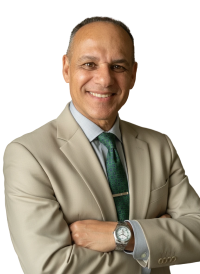
I'm here to walk you through every fee and help you find ways to save. With over 25 years of experience, I'll make sure you understand exactly what you're paying for and why.
Let me help you navigate closing costs and save money on your home purchase!
"Miguel explained every single closing cost before we got to the table. No surprises. He even negotiated with the seller to cover some of the fees, saving us over $3,000."
"We were worried about closing costs adding up. Miguel gave us a detailed breakdown upfront and helped us find a lender with lower fees. We knew exactly what to expect and saved money."
"Miguel's knowledge of closing costs saved us thousands. He reviewed every line item, questioned unnecessary fees, and made sure we got the best deal. We closed with no stress and no surprises."
A few minutes, a few clicks, up to 5 competing mortgage quotes
Complete our 60-second application with basic information
Verify your email and get matched with a loan specialist
Receive loan options and start your home search
Sign documents and get the keys to your new home
Lowest rates. Fast approvals. Personalized service.
Your local mortgage broker serving Miami Dade • Broward County • Palm Beach County and More.
"We've helped thousands of families achieve their dream of homeownership. Now it's YOUR turn."
Are you ready to step into your future? Whether it's your first home, a new investment, or a cozy upgrade, securing the right mortgage is the first step. But don't wait – rates are changing fast, and so are your opportunities!
🎁 Exclusive Offer
Fill out the form NOW and unlock special rates and benefits only available to those who act quickly.
Don't let the perfect home slip through your fingers because you hesitated. With just a few clicks, you could be on your way to a brighter tomorrow.
Your future is waiting. Click below to fill out the form and get started! You won't believe how easy it is to make your dream home a reality.

Scan to Save My Contact
📞 Get my direct number
💬 Text me anytime
🏠 We Find the Home 💰 We Find the Loan 🛡️ We Insure.
🔥 Why Work with Three When One Does It All?
🏆 Florida's #1 Broker. 25+ years experience.
📞 Work with the Best and Nothing Less. Just Miguel.
Scan to Save My Contact
📞 Get my direct number
💬 Text me anytime
Join hundreds of Florida families who trusted Florida Homes Mortgage. It takes 2 minutes.